

Pregnancy brings many changes to a woman’s body, including changes that can affect her teeth and gums. Hormonal fluctuations, morning sickness and changes in eating habits may increase the risk of dental problems. Dental care during pregnancy helps expecting mothers maintain good oral hygiene and identify potential problems early.
At Sommyta Dental House, Indore, expecting mothers can seek guidance about gum problems, dental checkups, tooth pain and suitable treatment options. With proper oral hygiene and timely dental care, you can protect your teeth and gums throughout pregnancy.
Why Is Dental Care Important During Pregnancy?
Maintaining healthy teeth and gums is an important part of overall health. During pregnancy, hormonal changes can make gums more sensitive to plaque, while morning sickness and frequent snacking may increase the risk of tooth decay.
Good oral hygiene helps control plaque, reduce gum inflammation and prevent dental problems from becoming more serious. Regular dental examinations also allow a dentist to identify cavities, gum disease and other oral health concerns at an early stage.
Ignoring dental symptoms may lead to persistent discomfort, difficulty eating or the need for more extensive treatment. Pregnant women should therefore continue their routine dental care instead of waiting until after delivery.
According to the American Dental Association (ADA), preventive, diagnostic and necessary restorative dental care can generally be provided during pregnancy with appropriate clinical precautions.
How Does Pregnancy Affect Your Teeth and Gums?
Pregnancy does not automatically cause dental problems. However, hormonal changes, morning sickness and changes in daily habits may increase the likelihood of certain oral health conditions.
1. Bleeding and Swollen Gums
Pregnancy gingivitis is inflammation of the gums that may develop or worsen during pregnancy. Hormonal changes can increase the gums’ response to plaque bacteria, causing redness, swelling, tenderness and bleeding during brushing or flossing.
To help protect your gums:
- Brush twice daily using a soft-bristled toothbrush.
- Clean between your teeth every day.
- Avoid aggressive brushing.
- Visit a dentist if bleeding or swelling persists.
Persistent bleeding should not be dismissed as a normal part of pregnancy. A dental examination can help identify the cause and determine whether professional cleaning or additional treatment is needed.
2. Tooth Decay During Pregnancy
Changes in eating habits, frequent snacking, sugary foods and difficulties maintaining oral hygiene may increase the risk of cavities. Morning sickness can also make brushing uncomfortable, allowing plaque to accumulate.
To reduce the risk of tooth decay, use fluoride toothpaste, limit frequent sugary snacks and drink water regularly. If you notice toothache, visible cavities or persistent sensitivity, arrange a dental examination.
3. Tooth Enamel Erosion From Morning Sickness
Repeated vomiting exposes the teeth to stomach acid. Over time, this acid can soften and erode the protective enamel, increasing the risk of sensitivity and dental damage.
After vomiting, rinse your mouth with plain water and avoid brushing immediately. Wait before brushing to allow the softened enamel to recover. If vomiting is frequent, speak with your healthcare provider about managing morning sickness and ask your dentist about additional ways to protect your teeth.
4. Dry Mouth
Some pregnant women experience dryness or discomfort in the mouth. Possible causes include dehydration, changes in saliva production and certain medications.
Saliva helps neutralise acids and protect teeth from decay. Drinking water regularly and maintaining good oral hygiene may help relieve mild dryness.
If dry mouth continues despite adequate hydration, consult your dentist or healthcare provider to identify possible causes.
5. Pregnancy-Related Gum Growths
Some women develop a small, red swelling or growth on the gums during pregnancy. These growths may be associated with hormonal changes and local irritation.
Although some pregnancy-related gum growths are benign, other conditions can appear similar. A dentist should examine an unusual lump, persistent swelling or a growth that bleeds easily. Do not attempt to remove it yourself.
For additional information, explore this guidance on oral health care during pregnancy.
Is Dental Treatment Safe During Pregnancy?
Many expecting mothers worry about the safety of dental procedures. However, routine examinations, professional cleaning, fillings and necessary dental treatments are generally considered safe during pregnancy when appropriate precautions are followed.
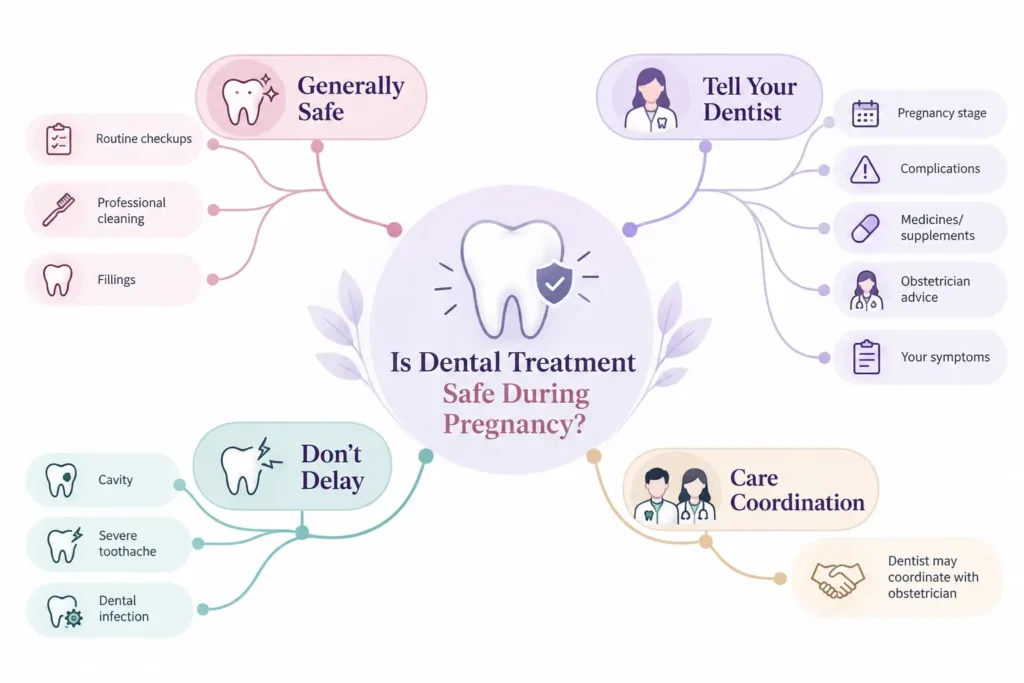
The American College of Obstetricians and Gynecologists (ACOG) and the ADA support access to necessary dental care throughout pregnancy.
Postponing treatment for a cavity, severe toothache or dental infection may allow the condition to worsen. Your dentist can assess your symptoms, explain the available options and recommend treatment based on your individual needs.
Before your appointment, tell your dentist:
- How many weeks or months pregnant you are.
- Whether you have any pregnancy-related complications.
- Which medicines and supplements you take.
- Whether your obstetrician has advised any special precautions.
- What symptoms you are experiencing.
Your dentist may coordinate with your obstetrician when your medical history or pregnancy complications make additional advice necessary.
The CDC also confirms that dental care is safe and important during pregnancy.
Can You Get Dental Cleaning During Pregnancy?
Yes. Professional dental cleaning is generally considered safe during pregnancy. It removes plaque and tartar that brushing and flossing cannot completely eliminate.
Cleaning may be particularly helpful if your gums are swollen, tender or bleeding. Your dentist will examine your gums and recommend routine cleaning or additional periodontal treatment according to your needs.
Do not avoid a recommended dental cleaning simply because you are pregnant. If nausea or discomfort makes appointments difficult, tell your dentist so that suitable adjustments can be considered.
Also read : Painless Dental Treatment Under Laughing Gas in Indore
Are Dental X-Rays Safe During Pregnancy?
Dental X-rays may be taken when they are clinically necessary. They help dentists identify problems that cannot always be diagnosed through a visual examination alone.
Your dentist will consider the reason for the X-ray and follow appropriate radiation-safety procedures. Tell the dental team about your pregnancy before any imaging examination.
If you are concerned about an X-ray, ask why it is needed and whether an alternative diagnostic method is appropriate. Do not delay essential diagnostic care without discussing the risks and benefits with your dentist.
Can You Get a Filling or Root Canal During Pregnancy?
Necessary restorative procedures, including fillings and root canal treatment, can generally be performed during pregnancy.
A filling treats tooth decay and helps prevent further damage. Root canal treatment may be recommended when the inner tissue of a tooth becomes inflamed or infected.
The appropriate procedure depends on the condition of your tooth, your symptoms and your medical history. Your dentist will explain the available options and determine the most suitable approach.
If you experience persistent toothache, facial swelling or signs of infection, seek professional dental care promptly rather than waiting until after delivery.
Can Local Anaesthesia Be Used During Pregnancy?
Local anaesthesia may be used for necessary dental procedures when clinically appropriate. Your dentist will select a suitable medication and dosage based on your health, pregnancy and treatment requirements.
Always disclose your pregnancy and any medicines you are taking before a procedure. Do not start prescription painkillers, antibiotics or other medicines without advice from a qualified healthcare professional.
Should Cosmetic Dental Procedures Be Postponed?
Elective procedures performed purely to improve the appearance of your teeth can often wait until after delivery.
However, cosmetic concerns should be distinguished from problems that affect oral health. Tooth pain, infection, damaged teeth and other necessary dental conditions require individual assessment.
Your dentist can explain whether a procedure is medically necessary or whether postponing it would be reasonable.
Also read :Bleeding Gums While Brushing | Causes, Symptoms & Treatment in Indore
Oral Hygiene Tips for Pregnant Women
A consistent daily routine helps protect your teeth and gums throughout pregnancy. These practical habits can reduce plaque buildup and support better oral health.
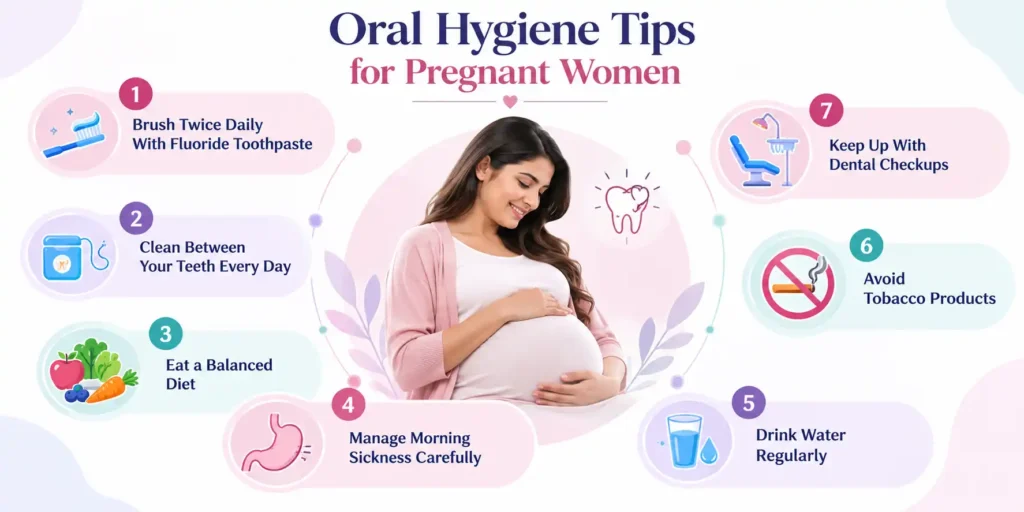
1. Brush Twice Daily With Fluoride Toothpaste
Brush for two minutes in the morning and before bedtime using fluoride toothpaste and a soft-bristled toothbrush.
Clean all tooth surfaces gently, including the areas near the gumline. Avoid brushing too aggressively because it can irritate your gums.
If toothpaste triggers nausea, try brushing at a time when you feel more comfortable. A smaller toothbrush head or guidance from your dentist may also help.
2. Clean Between Your Teeth Every Day
Dental floss or an appropriate interdental cleaner helps remove plaque and food particles from spaces that a toothbrush may not reach effectively.
Daily interdental cleaning supports gum health and reduces plaque accumulation. If bleeding continues despite gentle cleaning, arrange a dental examination rather than stopping oral hygiene completely.
3. Eat a Balanced Diet
A balanced diet supports general health and helps you maintain healthy teeth and gums.
Choose nutritious foods such as vegetables, fruits, whole grains and suitable protein sources. Limit frequent consumption of sweets, sugary drinks and other foods that repeatedly expose your teeth to sugar.
If morning sickness makes regular meals difficult, ask your healthcare provider for dietary advice that suits your pregnancy.
4. Manage Morning Sickness Carefully
Repeated vomiting exposes tooth enamel to stomach acid. Rinse your mouth with plain water afterwards and wait before brushing.
If vomiting is frequent or severe, speak with your healthcare provider. Your dentist can also recommend suitable ways to protect your teeth from repeated acid exposure.
5. Drink Water Regularly
Water helps maintain hydration and supports normal saliva production. Drinking water throughout the day may also help relieve mild dry mouth.
If you experience persistent dryness despite adequate hydration, discuss possible causes with your dentist or doctor.
6. Avoid Tobacco Products
Smoking and tobacco use can harm oral health and pregnancy. Avoid tobacco products and seek professional support if you need help stopping their use.
7. Keep Up With Dental Checkups
Regular dental visits help identify cavities, gum inflammation and other oral health problems early.
Do not wait until you experience severe pain to arrange an appointment. Your dentist can recommend an appropriate examination schedule based on your oral health, dental history and individual needs.
For more practical advice, read these recommendations for maintaining good oral health and preventing dental problems.
When Should You Visit a Dentist During Pregnancy?
Contact a dentist if you experience any of the following symptoms:
- Persistent bleeding, redness or swelling of the gums.
- Toothache or sensitivity that does not improve.
- Pain while chewing.
- A broken tooth or suspected cavity.
- A lump or unusual change inside your mouth.
- Persistent dry mouth or recurring oral health problems.
- Pain or discomfort that interferes with eating or sleeping.
Severe tooth pain, spreading facial swelling or fever associated with a dental problem requires urgent assessment. Difficulty breathing or swallowing, or rapidly increasing swelling of the face or neck, requires emergency medical attention.
Pregnancy is not a reason to ignore dental symptoms. Timely assessment helps your dentist determine what treatment is necessary and whether coordination with your obstetrician is needed.
Also read : Root Canal Treatment in Indore: Complete Guide
Dental Care During Pregnancy at Sommyta Dental House, Indore
Finding the right dental clinic can help expecting mothers feel more confident about managing their oral health. Questions about gum bleeding, tooth decay, dental cleaning and the safety of dental procedures are common during pregnancy.
Sommyta Dental House is located near Bengali Square in Indore and provides dental services, including dental checkups, teeth cleaning, root canal treatment and other general dental procedures.
If you are expecting a baby and have concerns about your teeth or gums, you can contact Sommyta Dental House in Indore to discuss your symptoms and appointment requirements.
During your visit, share your current stage of pregnancy, medical history, medicines and any symptoms you have noticed. This information helps your dentist understand your needs and determine appropriate next steps.
Contact Sommyta Dental House
Clinic Name: Sommyta Dental House
Address: 29A, Ashish Nagar Road, Ashish Nagar, Indore, Madhya Pradesh 452016, India
Phone: +91 94258 16183
Email: info@sommytadentalhouse.com
Website: https://sommytadentalhouse.com/
Contact the clinic to discuss your dental concerns and appointment requirements.
Frequently Asked Questions
1. Is dental care safe during the first trimester?
Preventive care and necessary dental treatment can generally be provided during the first trimester. Inform your dentist about your pregnancy and discuss any medical concerns before treatment.
2. Can I visit a dentist during the third trimester?
Yes. Dental care may be appropriate during the third trimester. Your dentist may adjust your seating position or provide breaks to improve comfort during the appointment.
3. Why do my gums bleed during pregnancy?
Hormonal changes can make gum tissue more sensitive to plaque bacteria, causing pregnancy gingivitis. Persistent bleeding or swelling should be assessed by a dentist.
4. Can I get my teeth cleaned while pregnant?
Professional dental cleaning is generally considered safe during pregnancy. Your dentist can recommend the appropriate care based on your gum health and individual needs.
5. What should I do if I have a toothache during pregnancy?
Contact a dentist for an examination. Necessary dental treatment can often be provided during pregnancy. Avoid taking painkillers or antibiotics without appropriate medical advice.
6. Can morning sickness damage my teeth?
Repeated exposure to stomach acid from vomiting can weaken tooth enamel. Rinse your mouth with water afterwards and wait before brushing. Discuss frequent vomiting with your healthcare provider.
7. How often should pregnant women visit a dentist?
The recommended schedule depends on your oral health, dental history and symptoms. Regular examinations are important, and new symptoms may require an earlier appointment.
8. Can gum disease affect pregnancy outcomes?
Research has found associations between periodontal disease and certain adverse pregnancy outcomes, but an association does not prove that gum disease directly causes those outcomes. Maintaining healthy gums is important for oral health, although treating gum disease has not been established as a way to prevent preterm birth.
9. Should I wait until delivery to treat a cavity?
Not necessarily. An untreated cavity can progress and cause pain or infection. Your dentist can assess the problem and recommend an appropriate treatment plan during pregnancy.
10. Where can I get dental advice during pregnancy in Indore?
You can contact Sommyta Dental House, located at 29A, Ashish Nagar Road, Ashish Nagar, Indore, Madhya Pradesh 452016. Call +91 94258 16183 or email info@sommytadentalhouse.com to discuss your dental concerns and appointment requirements.
Conclusion
Maintaining healthy teeth and gums is an important part of looking after yourself during pregnancy. Hormonal changes, morning sickness and changes in eating habits can increase the risk of gum inflammation, tooth decay and enamel erosion, but good oral hygiene and timely dental care can help manage these concerns.
Brush twice daily with fluoride toothpaste, clean between your teeth, follow a balanced diet and attend regular dental checkups. If you notice persistent bleeding gums, tooth pain, swelling or other unusual symptoms, seek professional advice rather than waiting until after delivery.
Necessary dental treatment is generally safe during pregnancy when provided with appropriate clinical precautions. Always tell your dentist about your pregnancy and follow personalised medical advice.
For guidance about your oral health, contact Sommyta Dental House in Indore to discuss your concerns and arrange a dental consultation.
Medical disclaimer: This article provides general educational information and does not replace personalised advice from a qualified dentist or obstetrician.